
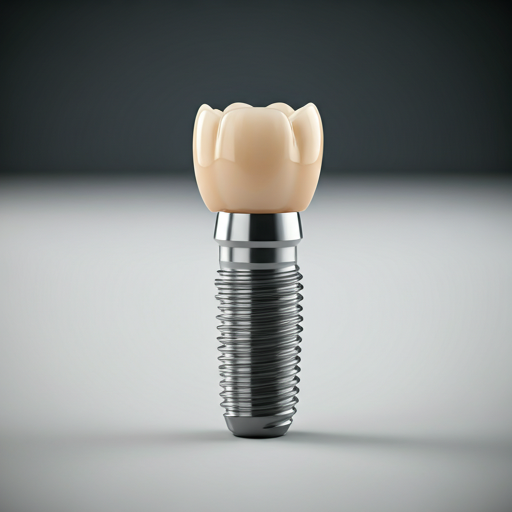
What is a dental implant?
An implant is a titanium screw that replaces the root of a missing tooth. A crown is placed on top that looks and works like a natural tooth. Titanium integrates with the bone — a process called osseointegration.
When is an implant needed?
When a tooth is lost or cannot be saved, implants are often the most durable solution: they do not require grinding down neighbouring teeth (as classic bridges do) and they help prevent bone loss in the area of the missing tooth.
How does the process work?
- Assessment: clinical examination and imaging to evaluate bone quantity and quality
- Planning: the implant position is decided before surgery
- Placement: a local-anaesthesia procedure, usually 30–60 minutes per implant
- Healing: osseointegration takes a few months — the implant bonds with the bone
- The crown: after healing, the definitive tooth is fitted
Does it hurt?
The procedure is done under local anaesthesia and most patients report less discomfort than expected. Mild swelling in the first days is managed with your clinician's instructions.
How long do implants last?
With good hygiene and regular check-ups, implants can last for decades. The key factors: daily hygiene, smoking (which significantly raises complication risk) and regular reviews.
Am I a candidate?
Most healthy adults are candidates. Bone volume, gum disease and certain medical conditions are assessed before the decision. Alternatives — bridges or dentures — are always discussed at the consultation, together with realistic costs and timelines.